


The health, dignity, and independence of girls and women are seriously threatened by gender inequality and sexual and gender-based violence, according to Faustina Acheampong, director of the Department of Gender within the Ministry of Gender, Children, and Social Protection (MOGCSP).
According to her, education and mentoring programmes are still essential for empowering females because without them, they would be unable to reach their full potential and fill useful roles in their homes, society, and the nation.
She said, "Educating girls saves lives, strengthens families and communities, raises a nation's productivity, and stimulates economic progress.
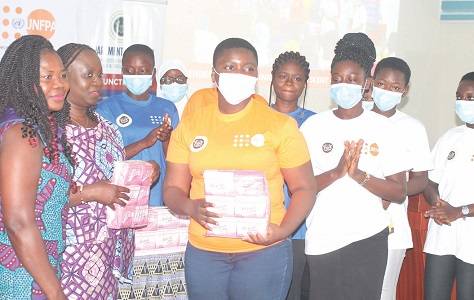
This was expressed by Ms. Acheampong yesterday [July 7, 2022] in Accra at the 2022 National Gender Equality Clinic for teenage boys and girls.
clinic for gender equality
Over 100 teenagers from different parts of the nation attended the clinic, which aimed to inform them about gender equality, sexual and gender-based violence, and their rights regarding sexual and reproductive health.
Speaking on behalf of Sector Minister Cecilia Abena Dapaah was Ms. Acheampong.
Reducing inequality, according to her, would boost the economy and contribute to the creation of a strong, robust society that would enable everyone to reach their full potential.
Adolescent girls in Ghana are particularly at risk for harmful traditional and cultural practises, all types of sexual and gender-based abuse, and unintended pregnancies.
According to figures that are currently available, the Domestic Violence and Victims Support Unit (DOVVSU) of the Ghana Police Service received reports of 14,920 instances in 2019, including rape, defilement, incest, and forced marriage, she added.
She claimed that in order to solve the issue, the government had created several policies and legislation through the MOGCSP to safeguard girls and guarantee that they grew up to realise their full potential.
to effectively contribute to the growth of the nation.
Similar to this, she said, the government had implemented the back-to-school campaign and re-entry policy through the Ghana Education Service to make sure that pregnant girls and school dropouts returned to school to finish their education for the advancement of their lives and society.
Ms. Acheampong assured that the ministry would continue to coordinate gender-related issues that would give youth the proper information, knowledge, skills, and services in order to protect them from harm and unplanned pregnancies while also empowering them to make decisions and broaden their skill and knowledge base for the benefit of the country.
involvement of boys
Barnabas Yisa, the acting UNFPA Representative in Ghana, praised the boys' attendance at the clinic in a speech read on his behalf by Selina Owusu, the UNFPA's gender analyst, and explained that it was a deliberate strategy to give them the tools they needed to become allies and advocates for the empowerment of women and girls and gender equality in general.
Mr. Yisa urged boys to actively promote gender equality among their peers at home, in communities, and in institutions, adding that by doing so, they would halt the cycle of inequality and create a society where there is greater equality between the sexes, ensuring sustainable growth for all.
James Twene, the Department of Gender's acting Upper East Regional Director, said it was critical for society to recognise that its potential for development and prosperity could be realised if all women and girls were empowered and given equal opportunity to succeed as boys and men.