


In light of the rising dangers of terrorism and violent extremism in the area, the Ministry of National Security has advised the youth, particularly students, to be cautious about whom they associate with.
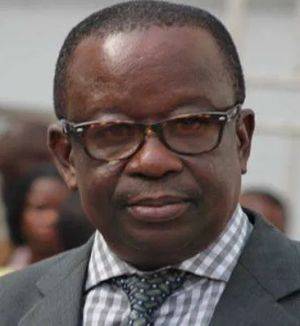
Dr. Col. Timothy Ba-Taa-Banah, Director of the Counterterrorism Fusion Centre at the Ministry of National Security, stated during a meeting with the Political Science Students' Association (POSSA) of the University of Ghana that extremist groups were starting to view youth, particularly students, as potential sources or conduits for violent causes.
He said that the continent's growing financial woes and rising graduate jobless rates were boosting the youth's susceptibility to radicalization and recruiting.
Extremist violence on social media
The Internet and the usage of social media, according to Dr. Col. Ba-Taa-Banah, have made it easier for violent extremist organisations to operate outside national borders.
He said that these organisations now have access to a virtual playground on the Internet for identifying and evaluating individuals as well as exchanging extreme ideas and views.
Because social media gives young people a platform for recognising violent extremists and developing an appreciation or comprehension of their ideals, physical interaction with extremist organisations has decreased over time, according to Dr. Col. Ba-Taa-Banah.
He advised the kids to use caution when choosing whom they communicate with online and stressed that everyone participating in the battle against terrorism must play a part.
Soft bargaining
George Amoh, the Executive Secretary of the National Peace Council (NPC), urged students and young people to adopt the use of talks to address disputes during a panel discussion. He emphasised that turning to violent behaviour mostly costs the public peace, lives, and property.
He continued by saying that the council was dedicated to helping the nation's colleges and educational institutions combat violent extremism.
These, according to Mr. Amoh, are being done through subtle methods including recognising socially undesirable attitudes and figuring out how to influence behaviour through education, awareness, and partnerships with government organisations like the National Commission for Civic Education (NCCE).
dealing with radicalism
Joana Adzoa Opare, a board member of the National Peace Council and an international gender consultant, claimed that over the past 20 years, the nation has made enormous strides toward peace and democratic governance, which have been reflected in benefits like the holding of regular elections, peaceful power transitions, respect for human rights, free media, and the application of the law.
However, she said that recent events in the area have increased dangers to the nation and sparked discussion within security circles, highlighting the need and necessity of intensifying the national resolve to stop such a threat from entering the country.
"We must stand up for our common values, combat extremism in all of its violent and non-violent manifestations, and refute the extremist ideology.
We also need internet service providers to do their part, broadcasters to provide alternative viewpoints a platform, and colleges to take a position against extremism, said Mrs. Opare.