


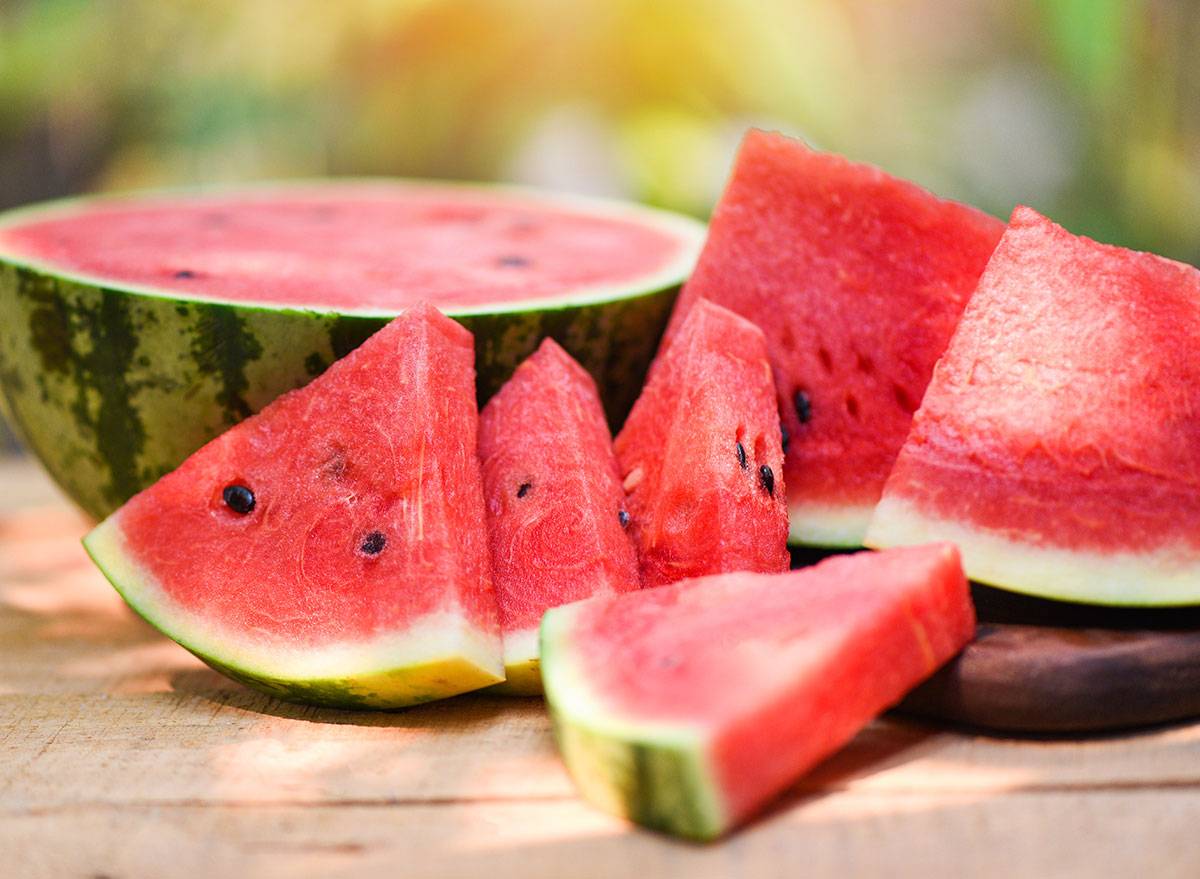
Nutritional Breakdown of Watermelon
The table below shows the nutritional breakdown of one cup (approximately 152g) of diced watermelon.
Nutrition Type Nutritional Amount
Calories 43,
Fat 0 grams
Sodium 2 milligrams
Carbohydrates 11 grams
Sugars 9 grams
Fiber 1 gram
Eating a cup of watermelon may provide a percentage of your daily requirement for certain vitamins and minerals. This information is listed in the table below.
Diet Type Percentage of Daily Intake
Vitamin A 17%
Vitamin C 21%
Iron 2.1%
Magnesium 3.75%
Potassium 3.62%
I am diabetic. Can I Eat Watermelon Safely?
For people with diabetes, controlling their diet and regularly monitoring their blood sugar levels are crucial to maintaining their health. If you have diabetes yourself or are asking a friend or family member about it, read on to find out whether or not watermelon has an effect on blood sugar levels.
While people with diabetes should always consult a dietitian for an eating plan, watermelon can generally be consumed in moderation with no side effects.The sugars found in fruits like watermelon occur naturally. Although natural sugars need to be controlled, they don't affect people with diabetes the way foods with added sugar do.
Glycemic Index and Watermelon
Any food can be tested for a Glycemic Index (GI) and Glycemic Load (GL). A glycemic index refers to how sugar enters the bloodstream, while glycemic load is how much a person's blood sugar rises after consumption.
When talking about the glycemic index of watermelon, it has a glycemic index of 72, which is considered high, although a glycemic load of 2 per 100 grams is consumed, which is considered low.If you are wondering what this means for diabetics, in short it means that watermelon can be consumed, although this should be mitigated by eating watermelon along with low GI foods.
If you have diabetes, fruits that have a lower GI than watermelon include plums, grapefruit, peaches and pears.