


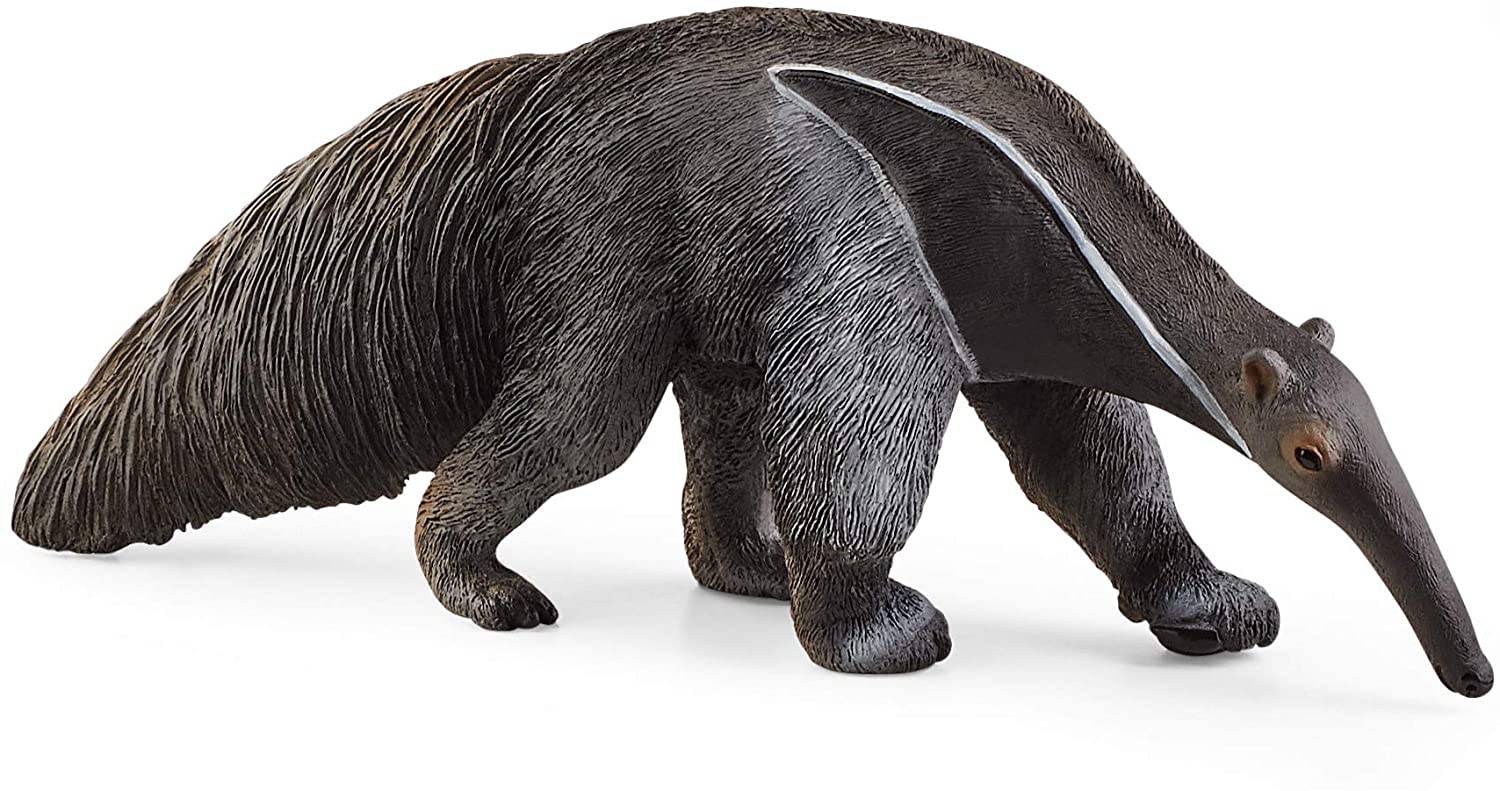
The giant anteater
What is the giant anteater?
Anteaters are toothless animals, they have no teeth. But their long tongues are more than enough to lick up the 35,000 ants and termites they swallow whole every day. The largest of the four species of anteater, the giant anteater can reach a length of eight feet from the tip of its snout to the end of its tail. It is covered in grey-brown fur, has white front legs, black stripes running from chest to back, and a bushy tail.Habitat
giant anteaters are found in South and Central America, although their numbers have declined sharply since the latter. To thrive, they must be able to move across large areas of forest. They are often found in tropical and arid forests, savannas and open grasslands where the ants they feed on are plentiful.
Eating Ants
The giant anteater uses its sharp claws to open an opening in an anthill, deploying its long snout, sticky saliva, and efficient tongue. But he has to eat quickly and moves his tongue up to 150 times a minute.Ants defend themselves with painful stings, so an anteater might spend as little as a minute feasting on each mound. Giant anteaters never destroy a nest, preferring to return and feed again in the future.
These animals don't find their prey by sight - theirs is bad - but by their sense of smell, which is 40 times stronger than that of humans.
Behavior
Giant anteaters are usually solitary animals. Females have a single calf once a year, which can sometimes be seen riding on its mother's back.The cubs leave their mother after two years, when they are considered adults.
Anteaters are not aggressive, but they can be fierce. A cornered anteater will rear up on its hind legs, use its tail for balance, and attack with dangerous claws. The giant anteater's claws are about four inches long and the animal can even fight with a cougar or jaguar.