


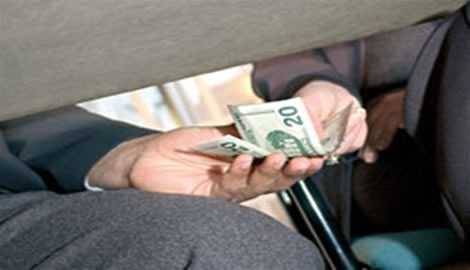
According to a report by the Ghana Statistical Service (GSS), around GHC5 billion in bribes were given to public servants in 2021.
The report indicates that the typical bribe is GHC348 (or approximately $44) depending on the current currency rate for 2021.
"Corruption in Ghana - people's experiences and perceptions," was the title of the first nationwide poll.
According to the poll, 17.4 million bribes were paid in Ghana in 2021. With an average bribe amount of GHC348 and a total of GHC5 billion spent in cash bribes to public officials in 2021.
To put the figures in perspective, this equates to over one third (32.9%) of the Ministry of Education's 2021 budget.
Additionally, the magnitude of the typical bribe in Ghana varies significantly between urban and rural locations. The average bribe in urban regions is GHC404, which is around 1.5 times greater than the average bribe in rural areas, which is GHC265.
While the percentage of bigger bribes (above GHC100) is greater in urban areas (47.8%) than in rural regions (31.7%), the share of minor bribes (under GHC 50) is higher in rural areas (47.3%). (35.2 percent ). The poll results revealed an intriguing finding: not all bribers are prepared to pay the exact sum that the public official is asking for.
Four out of ten people who pay bribes say they have negotiated the amount of the payment, with males 1.3 times more likely than women to do so. The first thorough, nationally representative population survey on corruption in Ghana was carried out by the Commission on Human Rights and Administrative Justice (CHRAJ), in collaboration with the Ghana Statistical Service (GSS), and with funding from the United Nations Office on Drugs and Crime (UNODC).
The fieldwork included a survey of 15,000 participants from all regions and urban and rural parts of the nation.
The primary goal was to gather factual data on the types of corruption that influence Ghana's population in order to assess its prevalence and prevalent typologies.