


Consider this a pop quiz.

The Bible says God has a task force of divine beings who carry out his decisions. It’s referred to as God’s assembly, council, or court (Ps. 89:5–7; Dan. 7:10). One of the clearest verses about it is Psalm 82:1. The Good News Translation puts it well: “God presides in the heavenly council; in the assembly of the gods he gives his decision.”
If you think about it, that’s a startling verse! It rattled me the first time I really looked at it. But what the verse means is what it plainly and simply says. Like any verse, Psalm 82:1 has to be understood in the context of what else the Bible says—in this case, what it says about the gods and how that term should be defined.
The original Hebrew word translated “gods” is elohim. Many of us have thought of elohim for so long in just one single sense—as one of the names of God the Father—that it may be hard for us to think of it in its wider meaning. But the word refers to any inhabitant of the unseen spiritual world. That’s why you’ll find it used of God himself (Gen. 1:1), demons (Deut. 32:17), and the human dead in the afterlife (1 Sam. 28:13). For the Bible, any disembodied being whose home address is the spirit world is an elohim.
The Hebrew term doesn’t refer to a specific set of abilities only God has. The Bible distinguishes God from all other gods in other ways, not by using the word elohim. For instance, the Bible commands the gods to worship the God of the Bible (Ps. 29:1). He is their creator and king (Ps. 95:3; 148:1–5). Psalm 89:6–7 (GNT) says, “No one in heaven is like you, LORD; none of the heavenly beings is your equal [1 Kings 8:23; Ps. 97:9]. You are feared in the council of the holy ones.” The Bible writers are pretty blunt about the God of Israel having no equal—he is the “God of gods” (Deut. 10:17; Ps. 136:2).

These beings in the “council of the holy ones” are real. In the first chapter of this book, I quoted a passage in which God met with his heavenly host to decide how to get rid of King Ahab. In that passage, the members of this heavenly group were called spirits. If we believe the spirit world is real and is inhabited by God and by spiritual beings he has created (such as angels), we have to admit that God’s supernatural task force, described in the verses I’ve quoted above and many others, is also real. Otherwise, we pay mere lip service to spiritual reality.
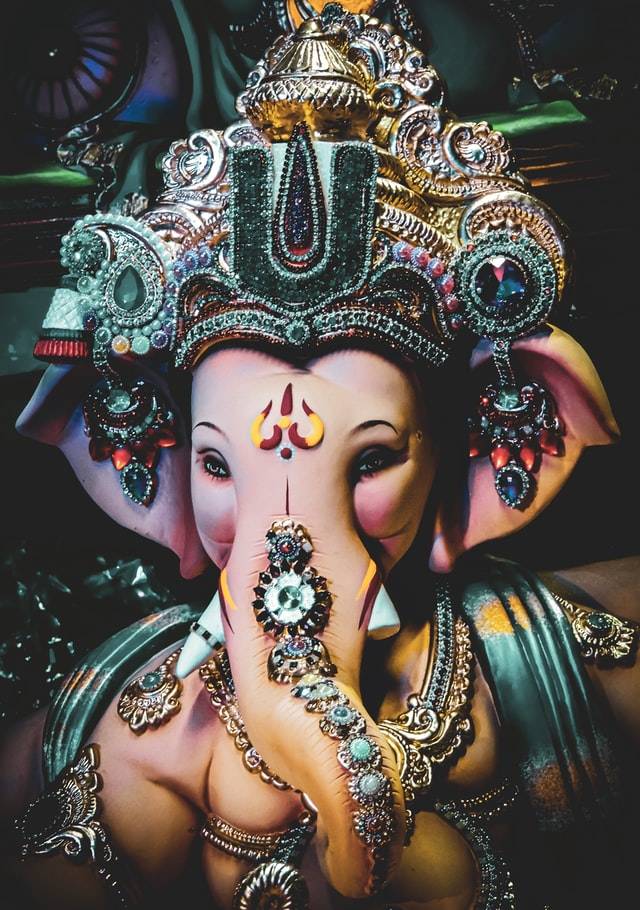
And since the Bible identifies these divine council members as spirits, we know the gods aren’t just idols of stone or wood. Statues don’t work for God in a heavenly council. It’s true that people in the ancient world who worshipped the rival gods did make idols. But they knew the idols they made with their own hands weren’t the real powers. Those handcrafted idols were just objects their gods could inhabit to receive sacrifices and dispense knowledge to their followers, who performed rituals to solicit the gods to come to them and take up residence in the idol.