



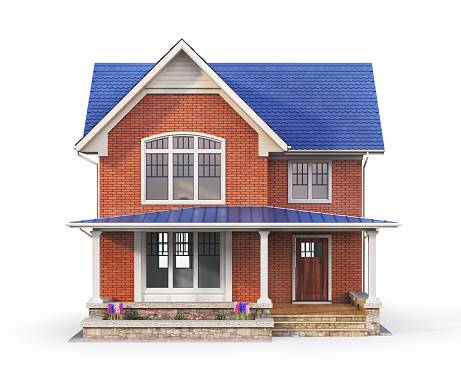
15 Tips To Help You Move From ‘Renter’ to ‘Home Owner’
Simple things you probably never thought could accelerate your home ownership journey
March 1, 2021 Reading Time:3min read

Rented places must not be treated as permanent places.
You must consciously ensure you don’t invest too much capital on rent.
a. Before you rent any place, give yourself a timeline to leave and work towards owning your own place.
b. As much as possible, ensure you don’t lock your capital in ‘luxury’ but only the basic functional needs.
A couple of days ago, I was trying to explain to a colleague of mine why she shouldn’t buy a bed, wardrobes and other furniture and appliances.
I also tried to convince her as to why she didn’t need a two-bedroom place and why she needed to get a housemate to split the costs.
This is the thing, renting a two or three-bedroom place, with the mindset that you’d need an extra room for guests is just a waste of money.
Guests are not constant in our daily lives and investing in a room in anticipation of guests is not a prudent use of money.
Also, renting a bigger space, you can do without, results in more running costs.
- Get a single room ‘self-contain’ and put the rest of the money away. The savings could get you between 50 to 100 blocks a month.
- Don’t buy a bed, put your mattress on the floor or palettes, save the bed money as an investment into your own home. That’s about 150 to 300 blocks saved.
- Don’t buy that wardrobe. Save that for about 200 to 350 blocks. When you get an architect to design a house for you, ask them to have a wardrobe fixed into the structure.
- You see the big ass TV you want to buy for 1500 cedis, ditch that for a 32 inch for 700 cedis. You are looking at an extra 200 to 250 blocks.
- Sometimes you don’t need fancy stuff in your kitchen. The cooker with oven/grill etc you wish to buy, how often would you use it…can you maximize its use? No. Just get a simple two-burner gas stove and save yourself some more money. An extra 150 to 300 blocks saved.
- Don’t buy that electric water heater for the bathroom. Don’t buy that heater for the kitchen. Stick to the gas cooker. You’ll save on both capital and running costs. That’s another 150 to 200 blocks.
- Sometimes, we are tempted to tile our rented places if they are not tiled already. We are tempted to get fancy painting and wallpaper to beautify the place. Each square meter you tile in a rented place is a square meter denied in your own place. The wallpaper is a luxury you can live without. Save that money if you can. Buy carpets and use them till you move. You won’t die if you deny yourself a tiled place for 3 to 4 years to enable you to own yours.
- That fancy lighting…ditch it. Buy energy-efficient bulbs to give you illumination and help reduce your electricity bills.
- Don’t buy that big fridge yet. Get a small one to keep your food and drinks. It’s just you and occasionally a visitor. No need to go big on the fridge.
- Don’t buy that washing machine yet. Instead, buy clothing that are easy to wash. That way, you don’t spend too much time doing the laundry. The washing machine money can buy you more blocks.
- You don’t need a fancy couch. There are simpler ways to enjoy your space. Let every decision you make lead you out of rent to ownership, either by buying or building.
- The building process is capital intensive and time-consuming but an exciting and liberating experience if you plan and consciously work towards it. If you drive a car that costs more than GHS50K, sell it, and get a KIA Picanto/Morning for 20 to 35K, use the extra to pay for land or begin your project if you have land.
- Do not follow the new phone craze. There are really good phones that can do everyday work and connectivity that cost way less than the over GHS5000 you’d spend on the latest brands of phones.
- If you have any of these high-end phones, you may want to sell, buy a lower spec functional phone and free some extra GHS2000 to GHS3000 for your investment.
- While you try to be austere and disciplined to get to your goal, don’t forget about #generosity. Have a budget set aside to help those in need or devote some time and skills to positive causes. How good is the world if inequality increases?

No comments yet
Be the first to share your thoughts!