


After the discovery of two confirmed human cases of H5N1 bird flu in one household in Cambodia, the World Health Organization is collaborating with the local government.
Dr. Sylvie Briand, the director of the epidemic and pandemic preparedness and prevention, described the situation as "worrying" due to the recent increase in cases in birds and mammals. She also informed reporters in a virtual briefing that WHO was reviewing its global risk assessment in light of the recent developments.

The danger of avian flu to humans was last rated as low by the U.N. health agency earlier this month.
On Thursday, Cambodian officials announced the H5N1-related death of an 11-year-old girl and started testing 12 of her contacts. Also, her father, who had been exhibiting symptoms, tested positive for the virus.
Given the widespread infection of birds worldwide by the H5N1 virus and the rising number of reports of infections in mammals, including people, Briand remarked that the situation was alarming. WHO recommends increased vigilance from all nations and takes the threat posed by this virus seriously.
One of the main reasons to pay attention to the cases in Cambodia is that it is not yet apparent if there was any human-to-human transmission or if the two cases were caused by "identical environmental circumstances," most likely close contact with infected birds or other animals.
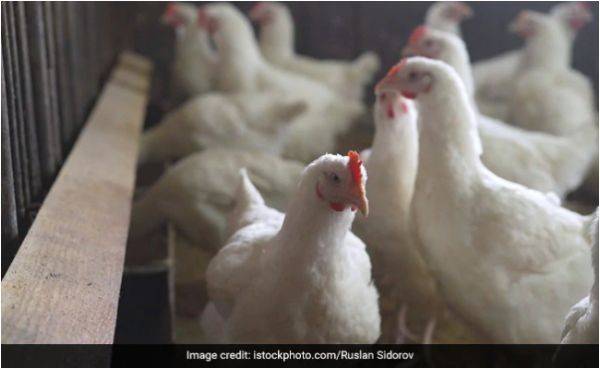
In the past several months, a brand-new H5N1 strain known as clade 2.3.4.4b has been responsible for a record number of wild and domestic poultry mortality. Moreover, it has affected animals, causing global concerns.
H5N1 has been circulating for more than 20 years, but unlike previous epidemics, this subtype is not seriously affecting people. Just a few cases—most of them mild—of individuals who had close contact with sick birds have been reported to the WHO thus far. The virus may need to adapt for human transmission to take place, according to experts.
WHO stated that it was speeding up preparation activities despite this and pointed out that 20 approved pandemic vaccinations were also available in case the situation changed. However, they would need to be altered to more precisely match the current H5N1 strain if necessary.
According to Richard Webby, head of the WHO Collaborating Center for Research on the Ecology of Influenza in Animals and Birds at St. Jude Children's Hospital, it may take four to five months. But, there would be some immunizations on hand in the interim.
Manufacturers can use two influenza virus strains that are closely similar to the circulating H5N1 virus that is currently present in WHO-affiliated labs to create new vaccines if necessary. According to Webby, a global gathering of flu specialists last week recommended creating a different strain that more closely resembles H5N1 clade 2.3.4.4.b.