


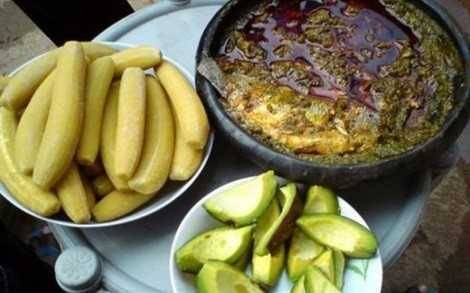
According to needs assessment research carried out by a team from the School of Public Health at the University of Ghana, Ghanaian diets are getting more westernized and are typically not ideal.

According to Professor Richmond Aryeetey, a co-chair of the team and lecturer at the University of Ghana's School of Public Health, Ghanaians are increasingly eating diets that resemble those of Western nations.
He said that Ghanaians were consuming more rice and baked and fried dishes from Western nations than the traditional maize-based cuisines and other regional delicacies.
According to Prof. Aryeetey, these westernized meals have ramifications for the nation since they raise the chance of becoming overweight or obese and developing noncommunicable illnesses like hypertension.
Those who ate them ran the danger of developing heart disease, diabetes, and certain malignancies.
"It seems that rice, pork, and fish have taken over as the key components of our diet. We also consume a lot of food from the street. "We see that we aren't consuming a diversified diet across age groups," he remarked.
The requirement analysis was carried out as part of developing dietary recommendations for the nation.
Ghana Food-Based Dietary Guidelines: What Are They?
The Ghana Food-Based Dietary Guidelines (GFDG) are a guideline that instructs consumers on healthy diets and gives guidance for programs and policies intended to guarantee that everyone has access to healthy meals.
The Dietary Guidelines offer helpful advice on what diets are accessible and cheap in a given nation. Also, it acts as a prescription for avoiding disease and encouraging optimum human growth.
Ghana is the eighth country in Africa and the fourth in West Africa to have a completely food-based dietary recommendation, having produced one for the first time. The Ghana Food-Based Dietary Guidelines were created to address the needs of Ghana's population aged five and over.
Following the release of the guidelines in Accra on Wednesday, Prof. Aryeetey spoke with the Daily Graphic about the findings of the needs assessment. He noted that diets that were supposed to support optimal health and development were not being followed and that Ghanaians' diets also fell short in terms of frequency, quantity, and variety of fruits and vegetables, as well as legumes and nuts.
Prof. Aryeetey described those elements as essential for a balanced diet and added that research in metropolitan Accra and the Volta Region revealed widespread access to and consumption of fried meals, sugar-sweetened drinks, and processed cereals.
Prof. Aryeetey provided an explanation of how the guidelines' content was gathered, stating that they examined the nation's food systems, the types of foods produced in various regions, food access and availability, safety concerns, the food environment, dietary consumption, government outreach programs, and alcohol consumption.
He noted that the worldwide fast food chain was becoming a part of the nation's food ecology and that this was driven by Ghanaians' lifestyles when he said that they had seen that people were eating things that they had not been consuming a few years earlier.
He demanded a policy on the purchase of healthy diets, food safety, and marketing system safety.
He suggested that the recommendations serve as a guide for both individual decisions and population-level actions such as institutional food-based interventions and school nutrition.