


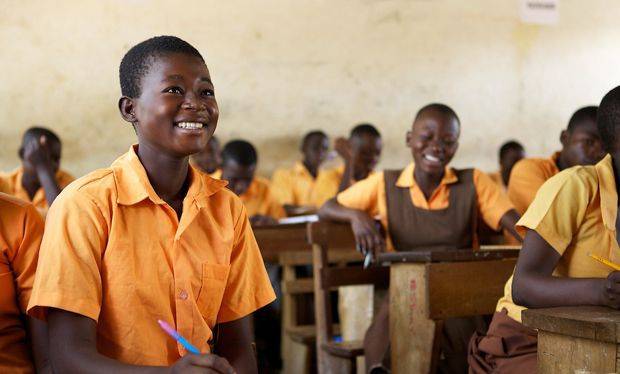
Education in Ghana has come a long way since the country gained independence in 1957. Today, the Ghanaian government has made significant efforts to improve the education system, introducing policies and reform measures that aim to enhance the quality of education across the country.

One of the major successes of Ghana’s education system is its universal-education policy. In 1996, the Ghanaian government made primary education free and compulsory for all children. This policy has since been extended to secondary education, making basic education accessible to all, regardless of their social or economic background.
According to the Ghanaian Ministry of Education, the country’s literacy rate has significantly increased over the years, with over 76% of the population now able to read and write. This is an improvement from the 42% recorded in the 1970s.

Moreover, the Ghanaian government has implemented several reforms to improve the quality of education in the country. For instance, the country has adopted a new curriculum that is aimed at equipping students with the skills and knowledge they need to compete globally.
The government has also invested in teacher training programs, providing financial incentives for teachers to upgrade their skills. This has led to an increase in the number of qualified teachers in Ghana.
Tertiary education in Ghana has also received a boost in recent years. The government has invested heavily in building new universities and expanding existing ones. This has resulted in an increase in the number of students pursuing higher education in the country.

Despite the government’s efforts, challenges still exist in the Ghanaian education system. For example, there are still significant disparities in access to education, particularly in rural and impoverished areas. This has led to a significant gap between the academic performance of students in these areas compared to their counterparts in urban areas.
Furthermore, the education system still faces challenges of inadequate infrastructure, including classrooms, libraries, and other educational facilities. Corruption in the education system is also a significant challenge that the Ghanaian government needs to address.
In conclusion, Ghana’s education system has made significant strides in recent years. The investment in training programs and new infrastructure has contributed to improved literacy rates and the quality of education. However, the government needs to do more to address challenges in the education system, particularly in rural areas, to ensure that all Ghanaians have access to quality education.